
The 2026 Guide to Timeless Kitchen Design for Modern Homes
Timeless kitchen design isn’t about copying a specific style or replicating the perfect floor plan you found online. Instead, it’s about understanding how every element of the space works together. Whether you’re exploring modern kitchen design or a more classic approach, the goal is to create a kitchen that reflects the way you live, cook, entertain, and move throughout your home.
In modern homes, kitchens often open directly into living areas, dining rooms, and sometimes outdoor spaces. That shift makes kitchen design less about decoration and far more about balance, ergonomics, and long-term planning. A kitchen renovation done well should feel considered today and still feel right years from now.
In this blog, we reveal the eight key principles our designers use to create kitchens that remain functional, relevant, and beautiful long after your renovation is complete.

1. Start with the Layout, Then Focus on the Finishes
Every kitchen that works well starts with a well-planned layout.
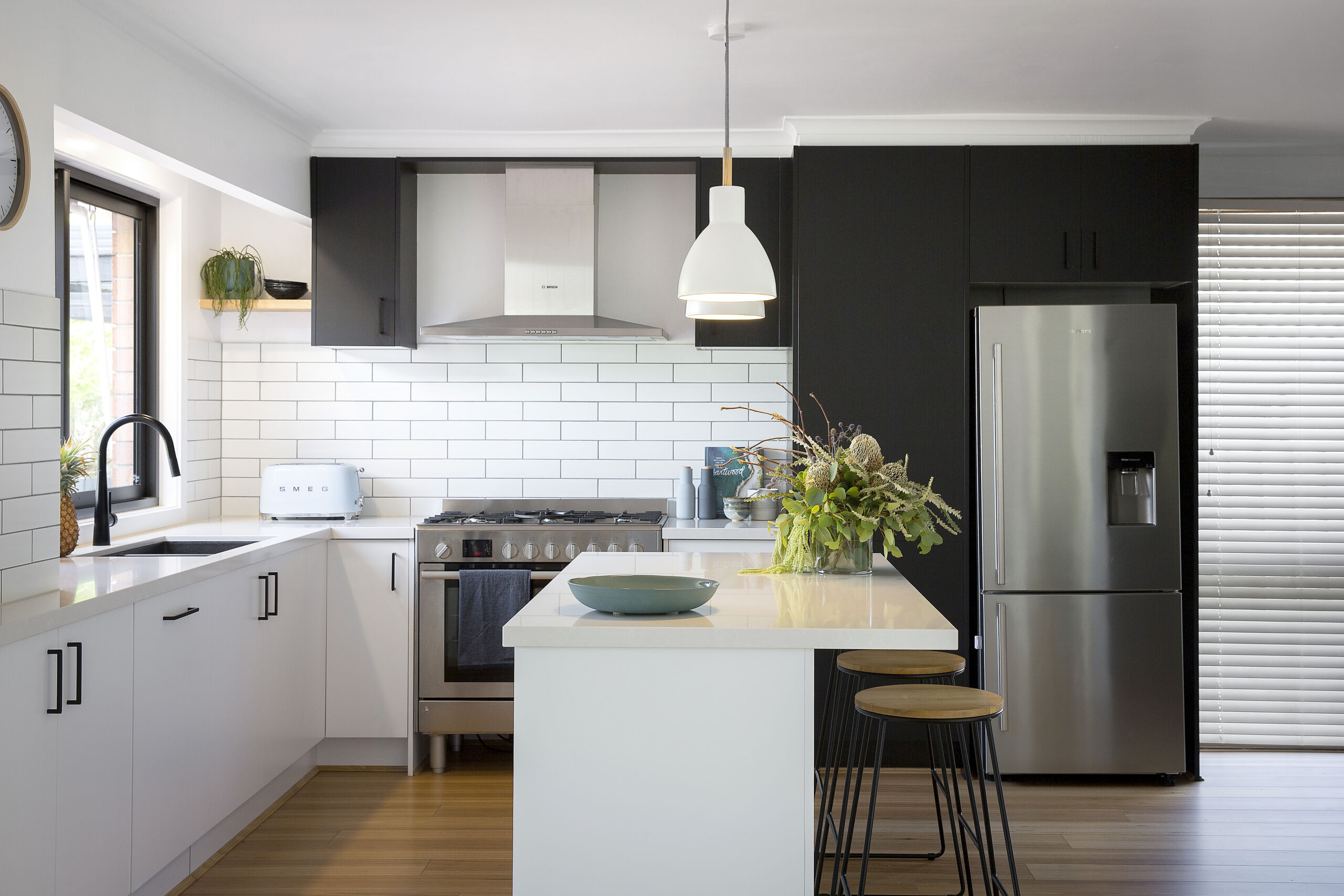
Whether it’s a galley kitchen, an L-shape kitchen, U-shape kitchen, or a design built around a kitchen island or island bench, the layout must support efficient workflow between the sink, fridge, cooktop, and oven. This relationship is what makes everyday cooking and cleaning feel natural and easy rather than forced.
A good kitchen layout considers distance, easy reach, and clear zones for preparation, cooking, and storage. When these fundamentals are resolved first, the kitchen becomes intuitive to use, regardless of room size. Similar planning principles can be applied to other spaces in your home- discover our tips on maximising space in a small laundry for further inspiration.
In larger kitchen spaces, layout also plays a critical role in how the kitchen connects to surrounding living areas without dominating the entire space.

2. Materials and finishes should be chosen for longevity
Timeless kitchens rely on materials and finishes that age well and remain easy to live with.
This includes benchtop selection, cabinetry finishes, fixtures, and surfaces that suit everyday cooking and cleaning. Colours are chosen for balance rather than impact, allowing the kitchen to evolve with changing inspiration instead of requiring another renovation.
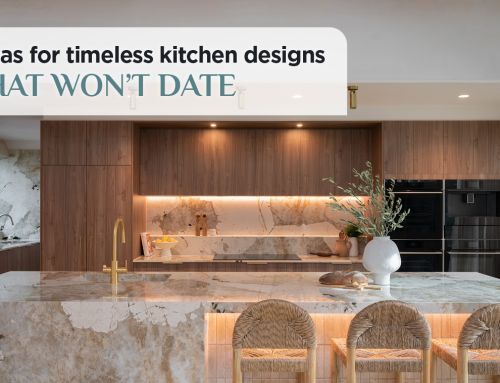
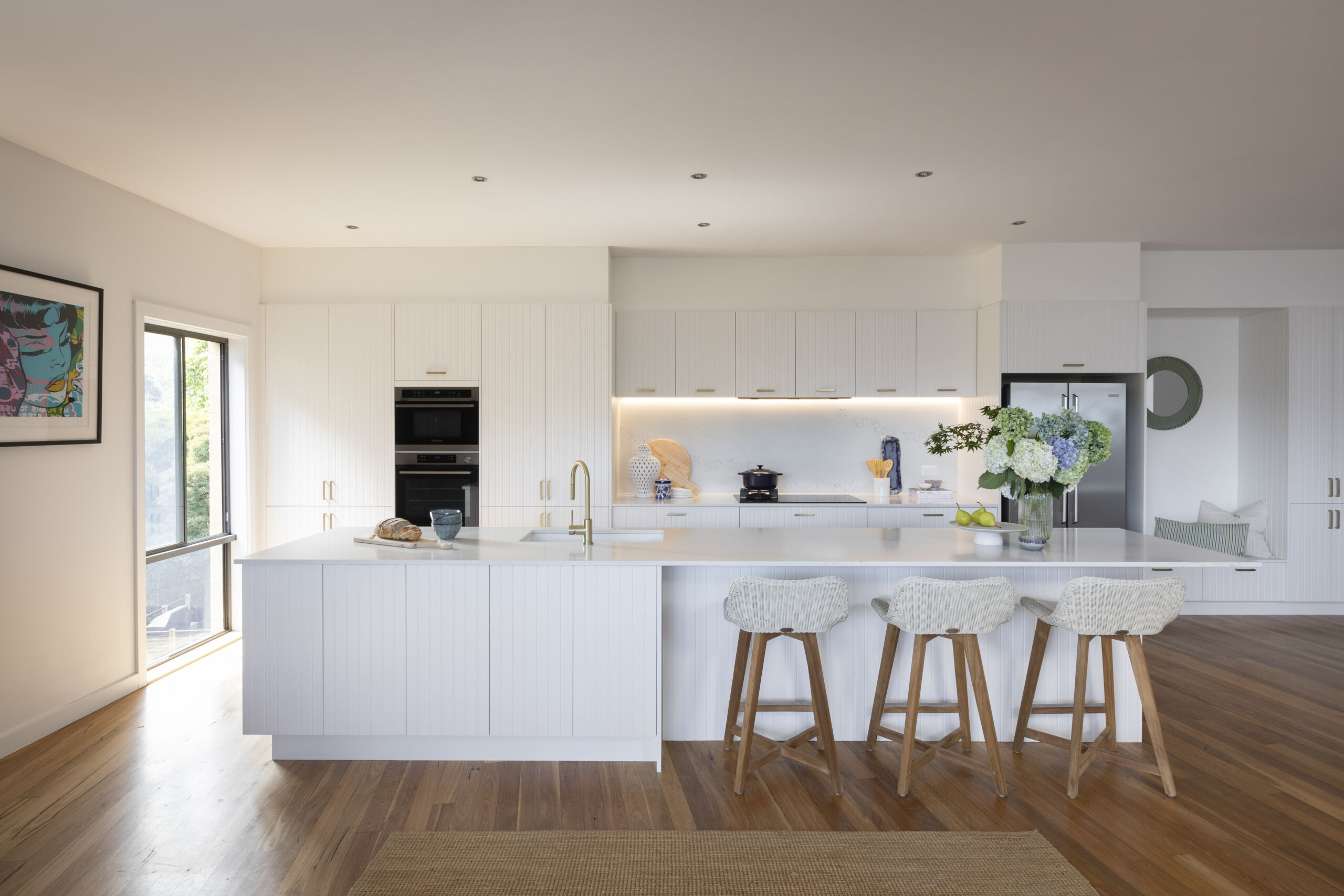
Trends can inspire, but we believe longevity matters more. We choose materials that feel intentional rather than reactive. We love timeless palettes such as warm whites, natural timber tones, and monochromatic schemes to create a strong foundation. To add depth and texture to your kitchen design, we recommend incorporating door styles like classic Shaker profiles or mixing flat and panelled designs for added interest.
3. Function should quietly influence every decision
A good kitchen should work effortlessly.
Deep drawers positioned in easy-reach zones, storage designed for pans and appliances, and cabinetry that supports how a family actually cooks all contribute to long-term usability.
Good kitchen design avoids forcing people to adapt their behaviour. Instead, it accommodates real habits. When benchtops, workspaces, and storage are planned around daily use, the kitchen stays efficient even as needs change over time.
4. A kitchen island should be more than something to “add”
A kitchen island or island bench is often the centre of modern kitchens, but it should never be added by default.
A well-designed island improves workflow, provides seating, supports entertaining, and helps balance the layout visually. A poorly positioned island can interrupt movement and reduce usable space.
Designers consider proportions, clearance dimensions, and how the island relates to cabinets, appliances, walls, and the rear of the kitchen before including one. When done properly, the island becomes an architectural element rather than an obstacle.


5. Storage should be integrated, not the centrepiece
Storage is essential, but it should never dominate the room.
Cabinetry should support the layout rather than dictate it. Deep drawers, concealed storage, and thoughtful placement help create a calm, uncluttered kitchen, even in busy family homes.
When storage is integrated into the overall design, the kitchen maintains its appeal without sacrificing practicality.
6. Lighting matters in modern kitchen design
Light has a powerful impact on kitchen design.
Natural light, reflected surfaces, and carefully planned fixtures all influence how the space feels throughout the day. Good lighting supports cooking and workspace tasks while also highlighting finishes and creating balance within the room.
A well-lit kitchen feels open, welcoming, and easy to live in.
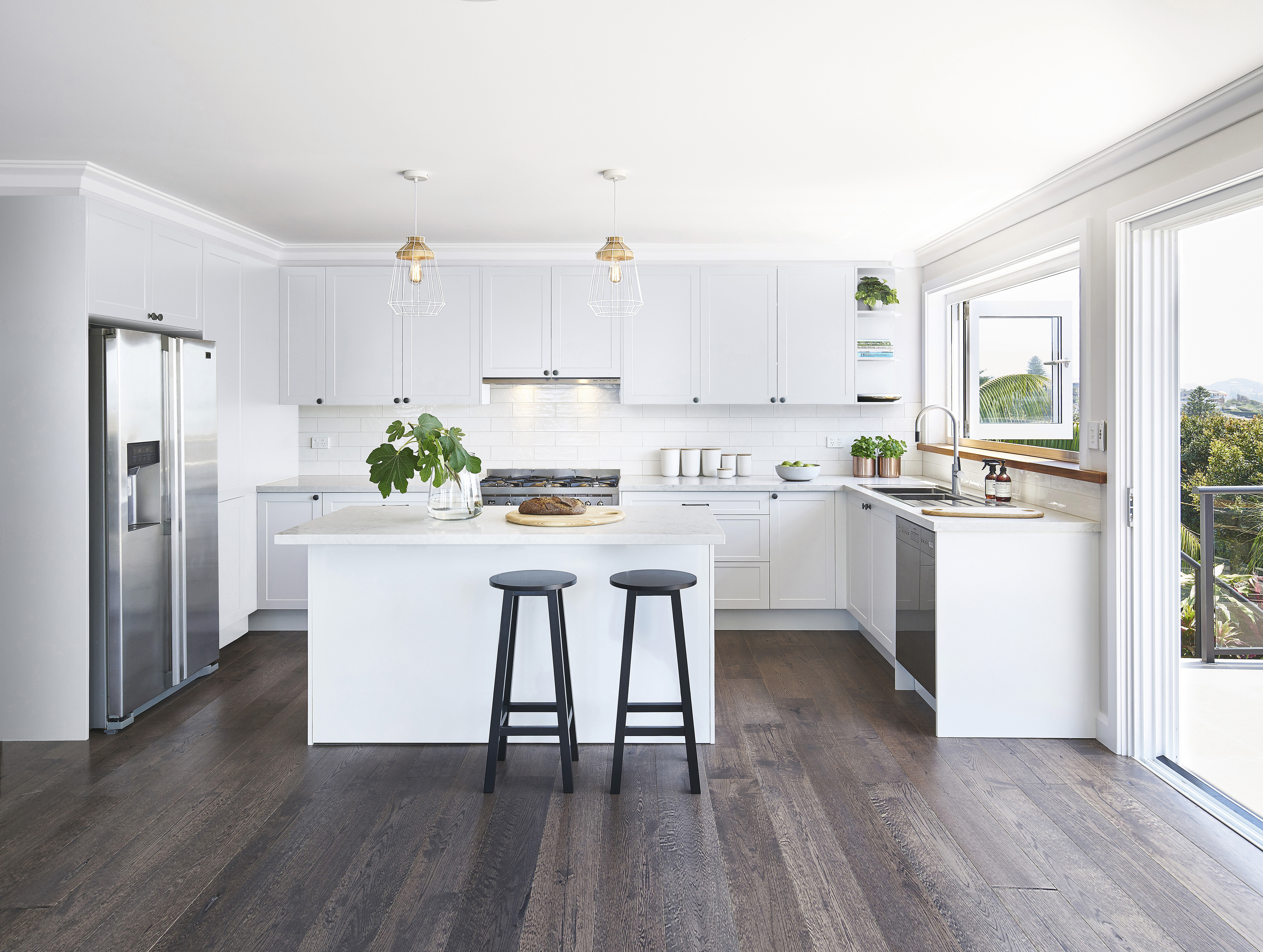
7. Design the entire space, not just the cabinets
Timeless kitchen design goes beyond cabinets and cabinetry alone.
Walls, furniture, seating, and circulation paths all influence how a kitchen feels within the house. A kitchen that ignores its surrounding room can feel cramped or disconnected, even when the cabinetry itself is well designed.
Designers look at how the kitchen relates to the entire space, how people move freely through it, and where it naturally becomes a focal point. This is especially important in open and modern homes where the kitchen is always visible.
8. Timeless design belongs to the homeowner, not a trend
The most successful kitchens feel personal without being over-designed.
They reflect how the owners live, the personality of the house, and the relationship between rooms. Designers avoid imposing a look from scratch and instead create kitchens that suit their home naturally.
This ensures the kitchen continues to feel right as lifestyles evolve.
The art of designing kitchens that last
Timeless kitchen design isn’t about perfection. It’s about making considered decisions that balance ergonomics, materials, layout, and space.
When layout, storage, light, and proportions are resolved early, your kitchen will become easy to live with and difficult to date. These principles allow modern kitchens to remain practical, inspiring, and relevant long after the renovation is complete.
Inspired to create your dream modern kitchen with Kinsman? Start your journey today!
Book your in-home, in-store or virtual design appointment HERE.
For more inspiration and ideas download our latest catalogue HERE.
Visualise Your Dream Space with Our Free AI Design Tool!
Our free AI 3D kitchen design tool transforms your kitchen aspirations into stunning, visionary design renderings, merging convenience with aesthetics for that welcoming feeling. Design and visualise your dream kitchen with our easy-to-use AI design tool.